



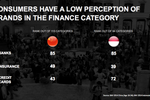
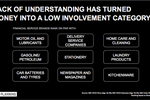
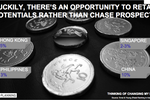
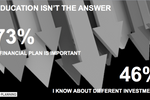
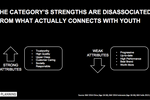



Called ‘Closing the Money Gap’, the report looks at young adults’ changing relationship with money and identifies broad opportunities for finance brands to stay relevant among younger demographic groups.
Hari Ramanathan, chief strategy officer with Y&R Asia, noted that people are moving beyond being obsessed with money, in a statement issued by the agency on the survey's findings.
“In fact, 78 per cent of 18- to 35-year-olds in Asia, or what we call Generation Asia, believe that happiness is more important than making money,” he said. “They want to do what they love at work and don’t mind putting in long hours. They have a desire to see the world, in a continuous quest to find what drives them.”
To this group, life is happening now—the very opposite of what has been the bedrock of financial planning and communications for decades. The role of money today is to enable freedom and empower the individual to take charge of opportunities in the present, according to the report.
“However, brands still only talk about their products and pragmatism,” said Ramanathan. "Their message is lost in translation for a generation which believes its passions will lead to money, instead of the old notion that money will eventually help them to pursue their interests.”
Rajeev Lochan, director and VP for research and finance at VML, said the definition of success is no longer about making a big splash or financial accomplishments.
“It’s about being respected by your peer group for what you have achieved,” he added.
This fundamental shift means Generation Asia does not connect with the old-world imagery of luxury often found in financial-services communications. In fact, it firmly positions such brands as being disconnected and belonging to another world.
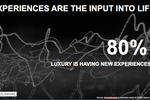
The report found that 80 per cent perceive luxury as having new experiences, while 76 per cent like to be the first to try new things.
"Generation Asia invests in experiences,” said Lochan. "Experimentation is their entire mindset, and they expect money to aid their pursuit of discovery. It should be a liberator, not an anchor."
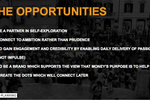
The opportunity for brands, then, is to position themselves as partners in self-exploration.
Lochan said brands need to give themselves a role in this optimism-fuelled stage of life and leverage young people’s ambitions. “Gain engagement and credibility by supporting Generation Asia’s passions.”
The report is based on insights gleaned from Generation Asia, which Y&R claims is the world’s largest study of connected Asians; BAV, a consumer study of brands in Asia; and eXploring on-the-ground studies in China, Hong Kong, India, Indonesia, Philippines and Singapore.

For more on this topic, attend our Financial Services Marketing summit on 5 November in Hong Kong. Ciick here for information and registration.


.jpg&h=268&w=401&q=100&v=20250320&c=1)

.jpg&h=268&w=401&q=100&v=20250320&c=1)
.jpg&h=268&w=401&q=100&v=20250320&c=1)